
Welcoming and Affirming Environment
WHAT MAKES A SCHOOL ENVIRONMENT WELCOMING AND AFFIRMING FOR STUDENTS, FAMILIES, AND EDUCATORS
A welcoming and affirming environment in a culturally responsive school is one where all students, families, and educators feel seen, valued, and respected. This environment fosters belonging, inclusivity, and academic success for students from diverse backgrounds. Essential elements include:
- Welcoming Physical and Social Spaces
- A school environment that reflects students and the community
- Classroom environments that affirm students' identities and accomplishments
- Student involvement in setting their classroom rules and culture.
- Inclusive School Policies and Practices
- Clear policies that address discrimination, bias, and microaggressions.
- Staff and students work together to create equitable and transparent school-wide expectations and rules
- Opportunities for student representation and leadership, ensuring students feel empowered.
- Policies that ensure all students have access to resources and opportunities.
- Positive Educator-Student Relationships
- Teachers acknowledge and respect students’ identities.
- Educators show cultural humility by continuously learning about student and family experiences.
- Active listening and encouragement of student voices in decision-making.
- Rewarding Family and Community Engagement
- Authentic partnerships with families and local community members.
- Communication with families in multilingual, multimodal, and accessible ways.
- School Events and programs that celebrate cultural diversity and community knowledge.
By fostering these elements, culturally responsive schools create environments where all students feel valued, respected, and capable of thriving both academically and socially.
LEARN MORE ABOUT THE TOOLKIT
Explore the Toolkit by Role
Culturally responsive schools and districts involve a range of partners to enrich the educational experience for students and families. The CRS 360° Toolkit is designed to support school and district leaders, teachers, students, parents/caregivers, and community members to help understand the perspectives of different partners in the education experience.
Experiences from Educators
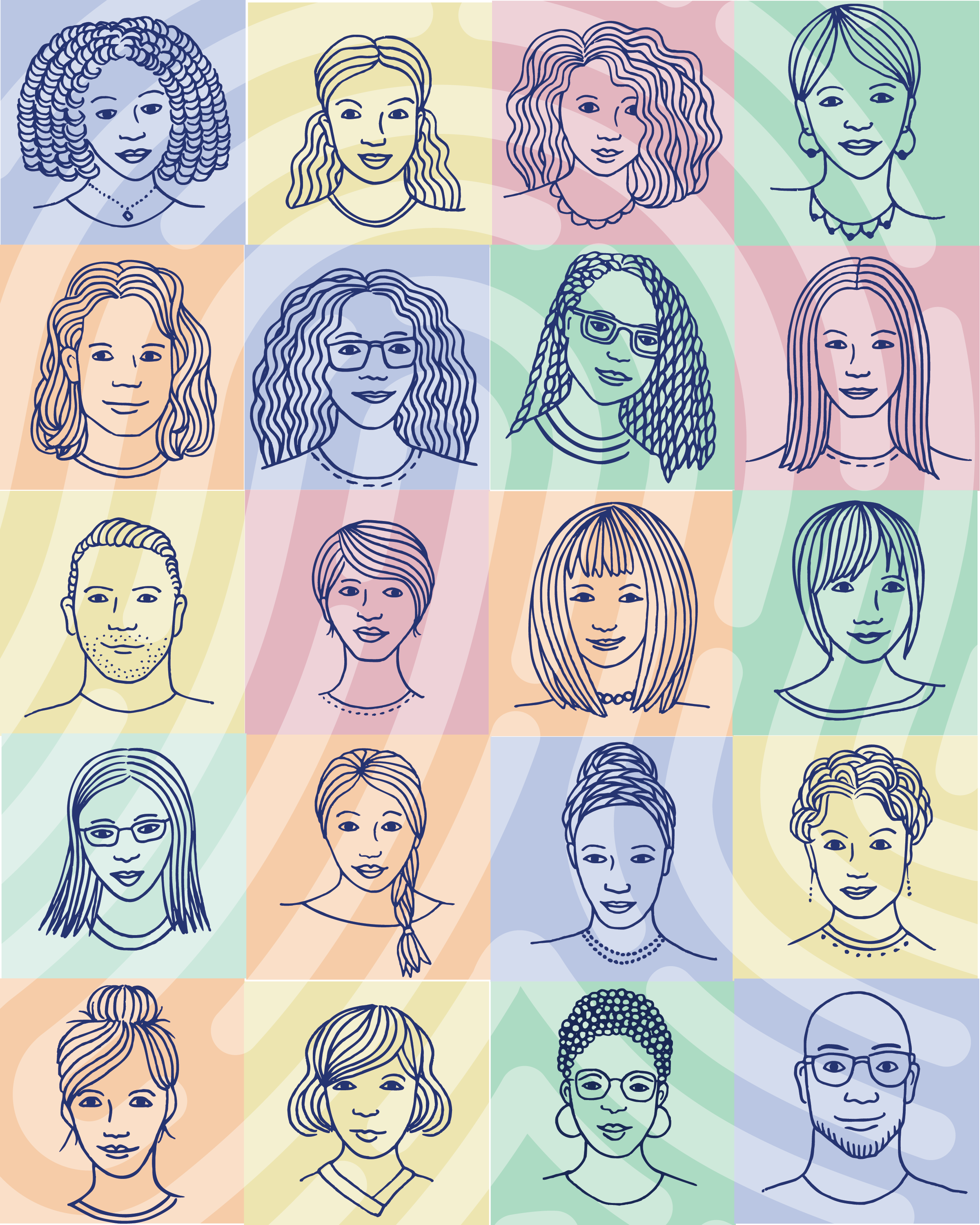
Explore firsthand stories from educators who are transforming their schools and classrooms through innovative culturally responsive practices. These personal narratives offer powerful insights into what it means to create inclusive, affirming learning environments for students.